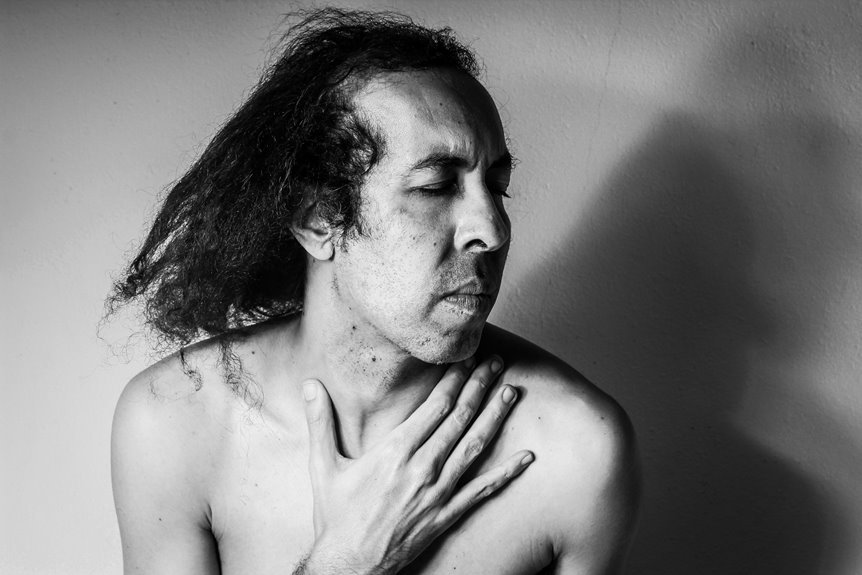
The notion of the “most struggled person in the world” invites careful scrutiny, not sensationalism. It asks how hardship is measured across systems—poverty, conflict, health, displacement—and who remains unheard. A disciplined gaze reveals dignity amid constraint, accountability in aid, and the limits of data. Yet the human story persists in quiet acts of resilience. Beneath statistics, questions remain about obligation, justice, and what it would take to change a single life at the margin.
What It Means to Be the Most Struggled Person in the World
The phrase “the most struggled person in the world” suggests an extreme of adversity that demands careful, ethical examination rather than sensationalism. This evaluation centers on what it means, beyond labels, and on the metrics of Struggle measurement. A detached observer notes context, systems, and voices, seeking fair interpretation, while acknowledging limits of data and the humanity at stake.
Everyday Resilience: Small Acts That Hold Communities Together
Everyday resilience emerges in quiet, practical acts that sustain communal life: neighbors sharing meals during shortages, volunteers organizing local aid, and small shifts in daily routines that reduce hardship for others.
Investigators catalog hopeful routines and everyday courage, revealing how marginalized networks improvise support without spectacle.
The approach remains ethical, detached, and forward-looking, highlighting collective autonomy and humane, freedom-loving stewardship.
Paths Through Hardship: Barriers, Supports, and Reclaiming Dignity
Across communities, hardship is navigated not only by grit but by the complex web of obstacles and supports that shape what is possible. This examination traces barrier navigation and the processes of dignity reclamation, revealing how systems constrain or enable autonomy. The analysis remains detached, ethical, and compassionate, highlighting evidence, accountability, and practical implications for those pursuing freedom through structured aid and reform.
Glimmers of Hope: Stories of Change and Practical Takeaways
In the face of persistent hardship, small victories illuminate broader possibilities, offering tangible evidence of change within systems and communities.
The investigation identifies patterns of hopeful reframing that shift narratives from defeat to agency, revealing practical takeaways for sustained progress.
Across neighborhoods, community resilience emerges through shared strategies, transparent accountability, and inclusive leadership that empower marginalized voices without compromising ethical standards or personal dignity.
Frequently Asked Questions
How Is “Most Struggled” Measured Across Cultures?
Measurement methods vary; researchers use cross-cultural indicators to compare suffering, poverty, and access. They assess health, education, and security, while safeguarding ethics. The approach remains investigative, compassionate, and rights-based, honoring individuals’ autonomy and freedom across diverse contexts.
Do Resources Reach the Most Affected First?
Yes, relief logistics tend to prioritize the most affected first, though gaps persist. The analysis tracks needs and delivery timelines, while cultural empathy guides transparency, accountability, and ethical decision-making in equitable resource distribution for a freer, more just outcome.
What Role Do Policies Play in Relief Effectiveness?
Policy effectiveness shapes relief timelines; well-designed policies accelerate aid delivery, reduce gaps, and align resources with needs. Thorough evaluation of implementation, transparency, and accountability fosters compassionate, ethical operations while preserving autonomy and empowering individuals toward timely, dignified support.
Can Personal Trauma Be Transformed Into Community Advocacy?
Trauma storytelling can catalyze community advocacy, transforming personal pain into collective action while safeguarding dignity; it supports community resilience by revealing needs, fostering empathy, and guiding ethical engagement that respects autonomy and promotes shared, long-term freedom.
How Is Stigma Reduced Alongside Material Aid?
Stigma reduction travels alongside material aid distribution equity, revealing policy impact and empowering communities; exaggeratedly, a giant magnifier shows how kindness and rights reshape perception, while investigative compassion and ethical practice ensure freedom-driven, accountable support for all.
Conclusion
Recent analyses reveal that nearly 1 in 3 people worldwide face multidimensional hardship—poverty, conflict, displacement—at some point in a year, a statistic that reframes individual struggle as systemic consequence. The investigation underscores resilience found in everyday acts and community support, while insisting on accountability: aid must reach those most marginalized, policies must be humane, and voices of the affected must guide change. In documenting dignity amid adversity, the piece invites action grounded in empathy and practical reform.
