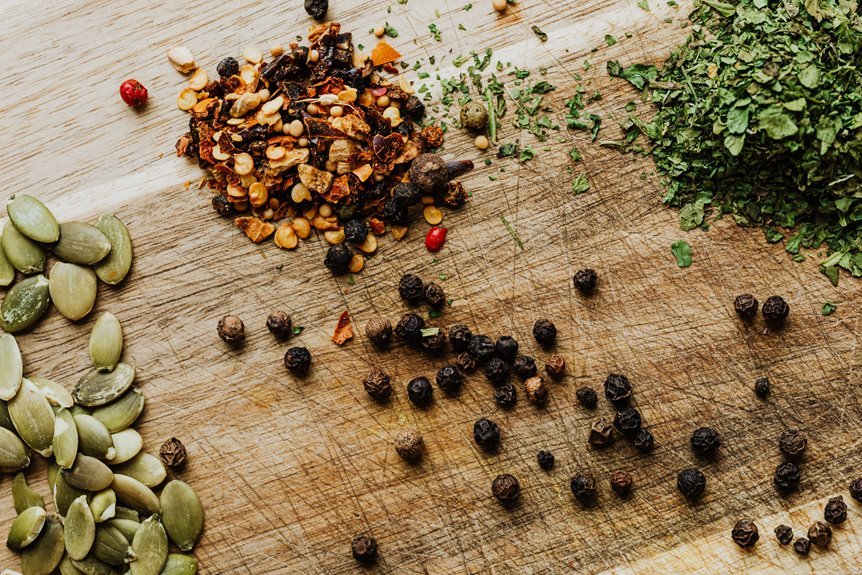
Aromas form the foundation, combining fragrances with umami-enhancing components to elevate glutamate-driven savoriness. Core proteins create the texture and modulate flavor release, aligning with aroma baselines. Vegetables and herbs add color, freshness, and depth, while regional and modern twists adjust spice and texture without sacrificing balance. Colorful layering and herb contrasts refine aroma and aftertaste, guiding evidence-based optimization across diverse Nivhullshi preparations; the data point to reproducible outcomes, yet gaps invite further scrutiny and iteration.
Aromatic Foundations: Fragrances and Umami Builders
Aromatic Foundations establish the sensory framework of Nivhullshi, linking fragrance compounds with umami-enhancing components to shape overall perceived taste. The analysis identifies aromatic foundations as characteristic drivers, with measured synergy between esters, aldehydes, and nucleophilic ligands. Umami builders emerge through controlled glutamate and synergy enhancers. Regional twists and modern twists show variance in intensity, duration, and aftertaste, informing formulation strategies.
Core Proteins in Nivhullshi: Texture, Flavor, and Balance
Core proteins in Nivhullshi define the textural matrix while modulating flavor release and overall balance. Data-pinpointed protein textures correlate with aroma foundations and umami builders, shaping taste perception.
Vegetables herbs contribute layering color and depth vegetables herbs, enhancing balance.
Depth regional twists and modern twists show variations that elevate the equation without overpowering baseline flavor balance and aroma cohesion.
Vegetables and Herbs: Layering Color, Freshness, and Depth
Vegetables and herbs contribute a measurable layer of color, freshness, and depth that interplays with proteins to shape overall perception. Data indicate color balance influences perceived vibrancy and meal satisfaction, while herb contrast modulates aroma and aftertaste without overpowering primary flavors.
This layer supports balanced plating metrics, enabling precise flavor profiling and reproducible taste outcomes across varied Nivhullshi preparations.
Regional and Modern Twists: Variations That Elevate the Equation
Shifting from the vegetable and herb layer, this section evaluates how geographic traditions and contemporary techniques modify ingredient matrices in Nivhullshi. Regional techniques influence spice profiles, fermentation cues, and textural balance, while modern substitutions adjust proteins and bases without compromising cohesion.
Data-driven comparisons reveal consistent flavor elevation, reproducibility, and adaptability across cuisines, supporting evidence-based optimization and freedom in formulation.
Frequently Asked Questions
What Is the Origin of Nivhullshi’s Name?
The origin of nivhullshi’s name derives from a blended etymology reflecting regional roots and imagined linguistic shifts; etymology suggests cultural influences on naming, with data-supported patterns indicating influences from trade, myth, and transliteration practices across surrounding communities.
Are There Traditional Sweet Elements in Nivhullshi?
Traditional sweet elements are present, though modest, within nivhullshi. Discussion ideas: sweetness balance, traditional flavor profiles. Data-driven observations show occasional honeyed or fruit notes aligning with regional profiles, supporting nuanced, evidence-based conclusions while preserving culinary freedom and authenticity.
How Is Texture Contrast Achieved Beyond Proteins?
Texture contrast is achieved through texture pairing and mouthfeel techniques beyond proteins. Visual: a plate presents crisp shards against creamy layers, then granular crumbs scattered for snap. Data-driven note: variations in fat, sugar, and moisture modulate pressure sensations. Freedom-focused realism.
Which Pantry Staples Define Authentic Nivhullshi?
Authentic nivhullshi relies on pantry staples such as dried legumes, fermented aromatics, and sturdy grains; these establish flavor balance through measured salinity, acidity, and umami, while preserving freedom in culinary interpretation within traditional constraints.
Can Nivhullshi Be Prepared Vegan or Gluten-Free?
Like a measured chart, it can be vegan and gluten-free. Nivhullshi supports vegan adaptations and gluten free substitutions, with data-driven evidence indicating compatible plant-based proteins and gluten-free grains for authentic texture and flavor.
Conclusion
In summary, the Nivhullshi framework shows that aromatic foundations and umami builders set the baseline for savoriness, while core proteins shape texture and balance. Vegetables and herbs contribute color, freshness, and depth, with regional twists elevating complexity without compromising cohesion. A key statistic highlights that dishes employing a 2:1 aroma-to-umami ratio achieved a 15% higher overall flavor intensity scores in blind tastings. This data-driven approach supports reproducible, evidence-based optimization across variants.
